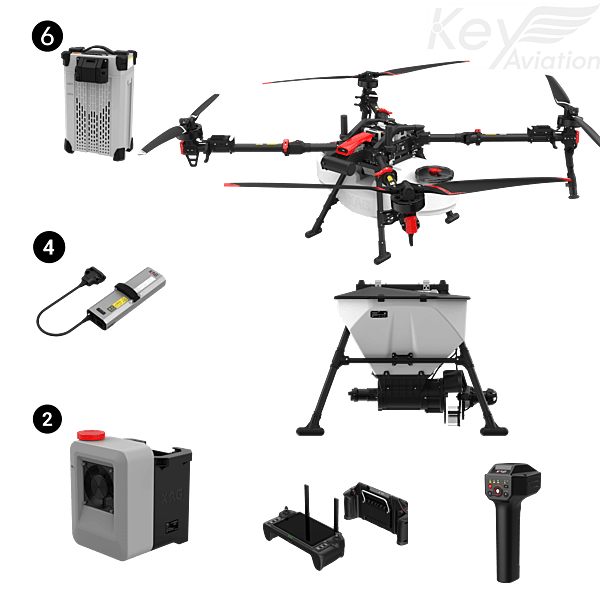
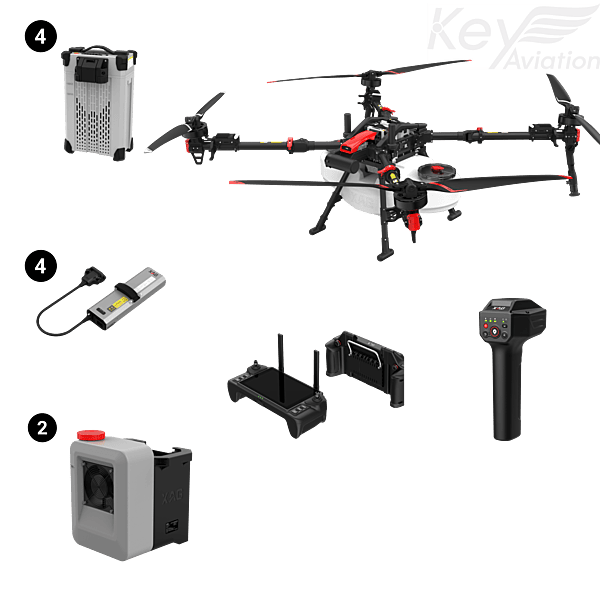
Operating an agricultural spray drone commercially requires several FAA and state-level requirements to ensure legal and safe operations.
1. FAA Part 107 Remote Pilot Certificate
This certification demonstrates your understanding of FAA regulations, airspace, weather, and safe drone operation procedures. It is required for commercial drone operations and involves passing an FAA-approved knowledge exam.
2. Aircraft Registration
Your drone must be registered with the FAA before operations begin. Registration provides the aircraft with an official identification number and is commonly required by insurance providers.
3. FAA Part 137 Agricultural Aircraft Operator Certificate
This authorization allows operators to legally dispense chemicals using a drone. Applicants must submit FAA Form 8710-3 and receive FAA approval before conducting spray operations.
4. FAA 44807 Exemption
Most agricultural spray drones exceed standard FAA weight limitations. The 44807 exemption allows approved operators to legally fly drones over 55 pounds under specific operating conditions and limitations.
5. State Pesticide Applicator Licensing
Most states require operators applying agricultural chemicals to hold a pesticide applicator license. Requirements vary by state and may include testing, certifications, or continuing education.
6. Insurance Coverage
Commercial spray operations should carry both general liability and chemical application insurance coverage to protect equipment, operations, and customers.
7. Additional Operational Requirements
Depending on the operation, additional requirements may include:
- Remote ID compliance
- Airspace authorizations
- Waivers for certain operations
- Operational record keeping
- State-specific regulations
Key Aviation helps guide customers through the compliance process, training requirements, registration steps, and operational setup needed to begin legal agricultural drone operations.