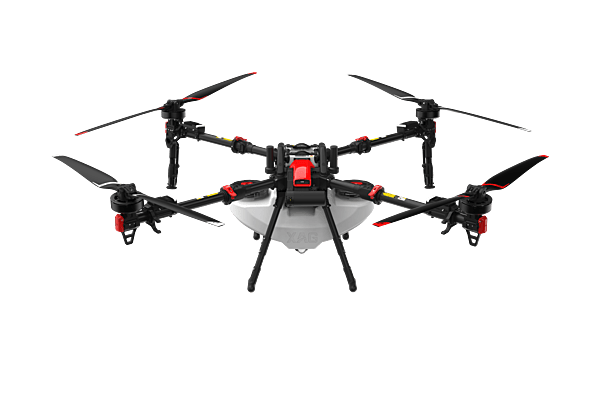
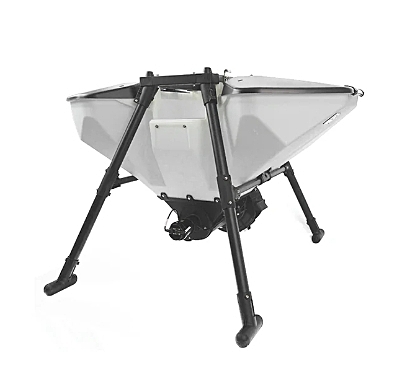
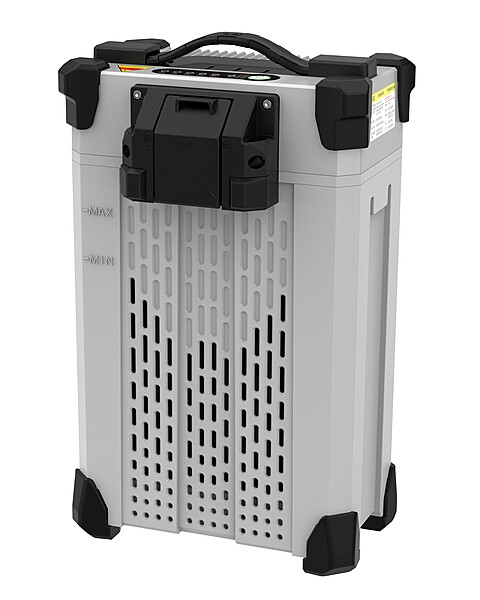
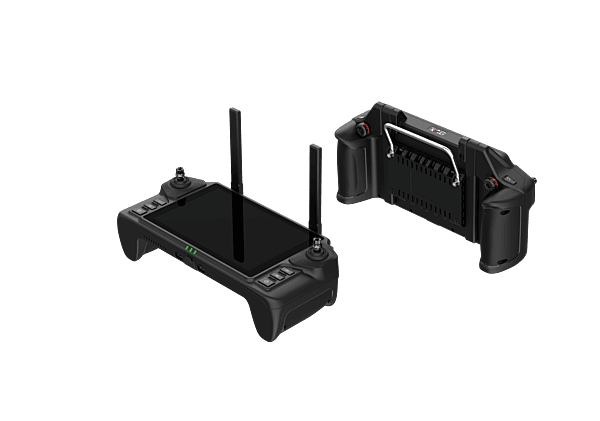
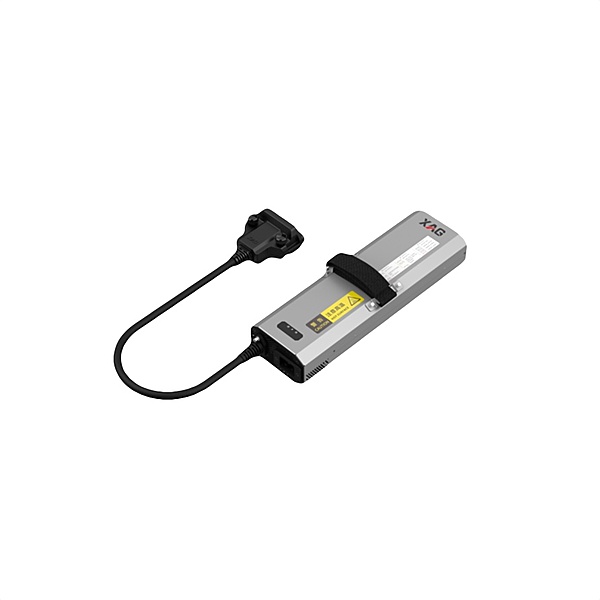
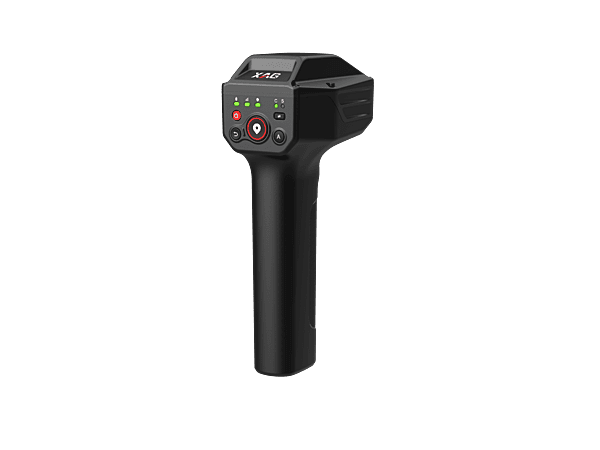
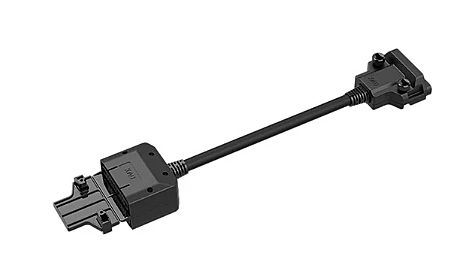
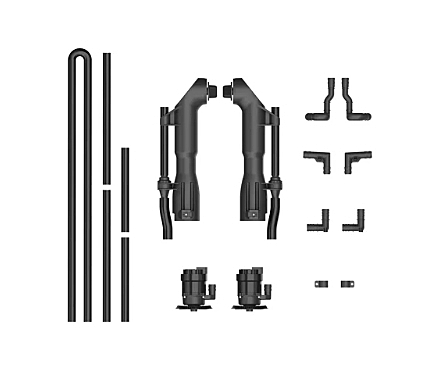
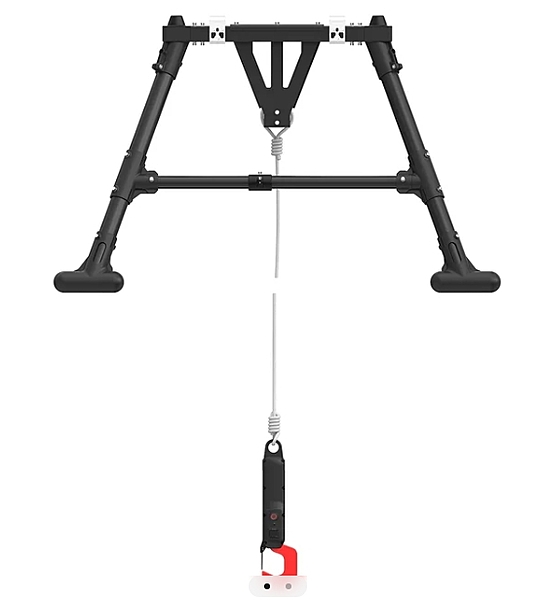
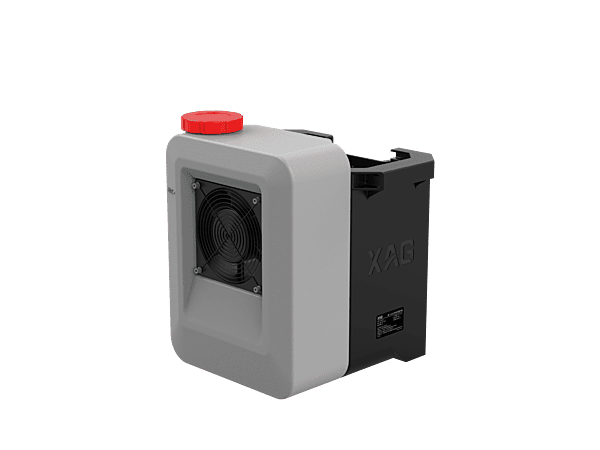
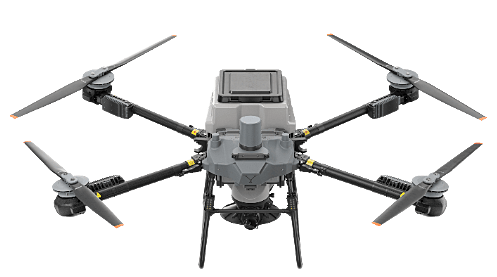
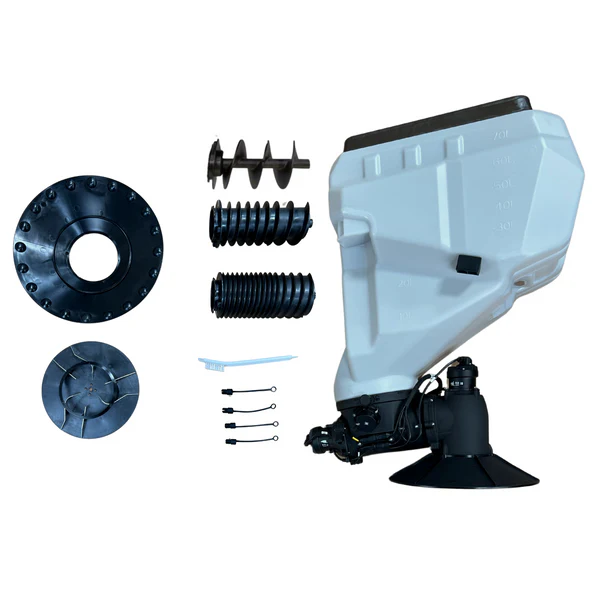
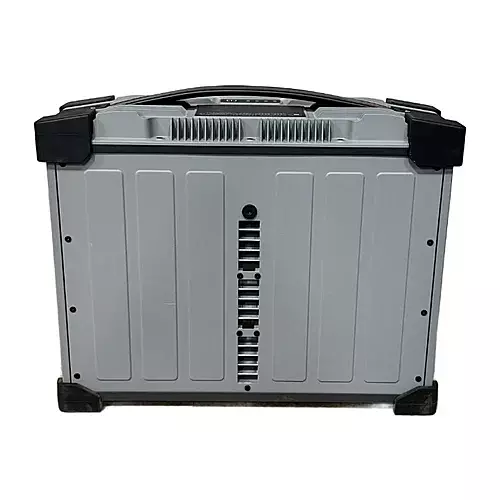
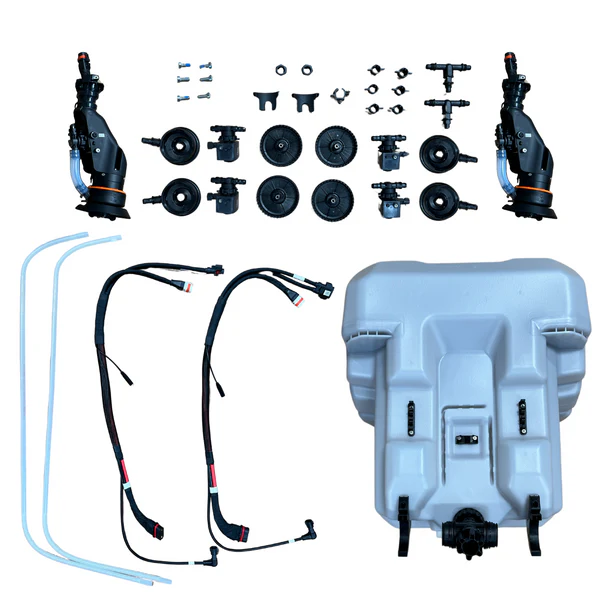
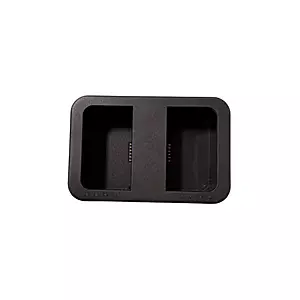
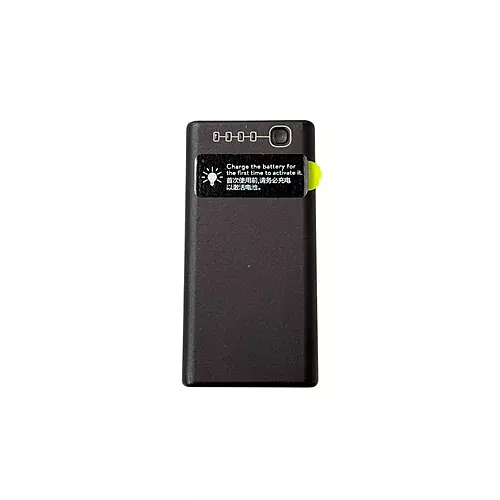
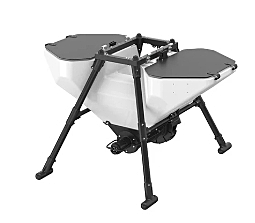
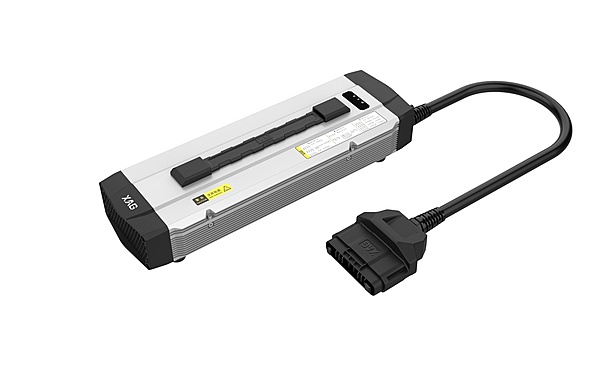
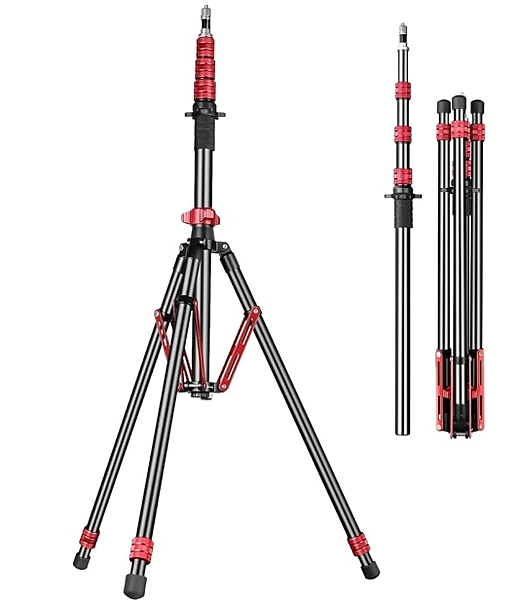
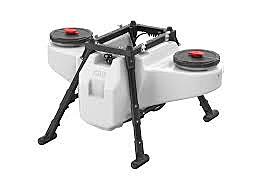
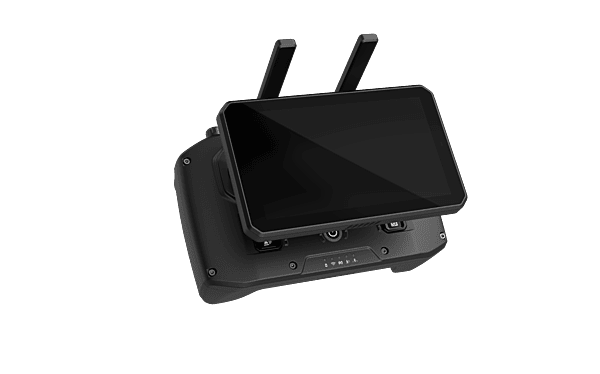
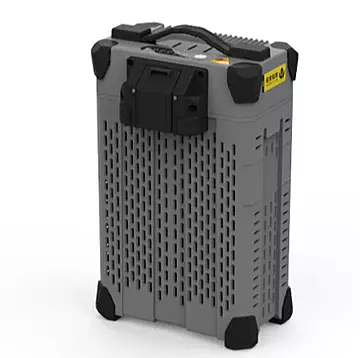
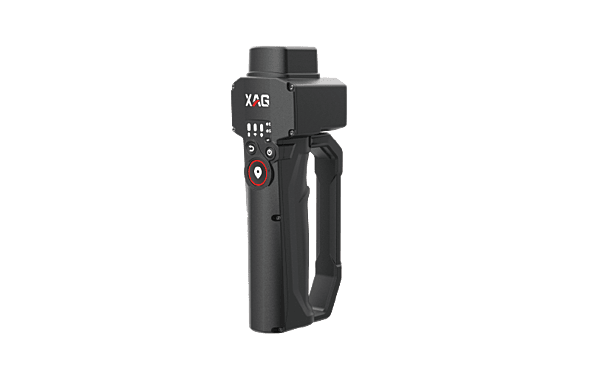
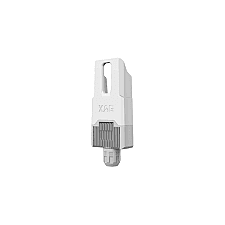
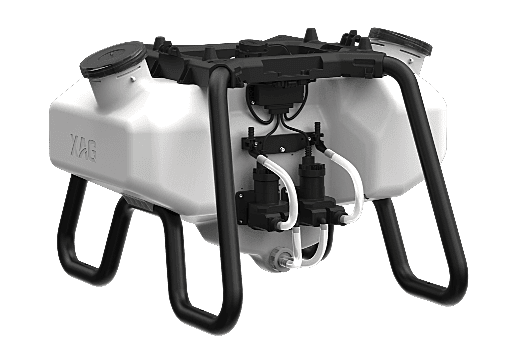
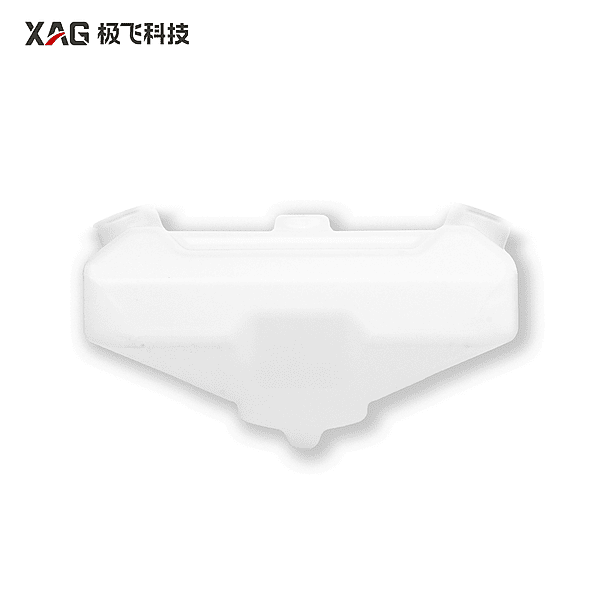
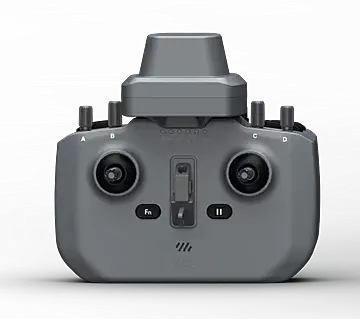
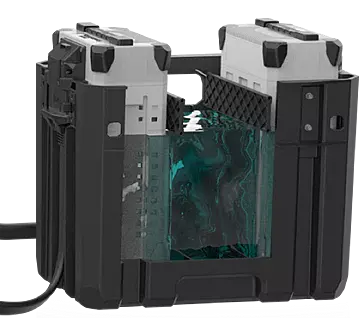
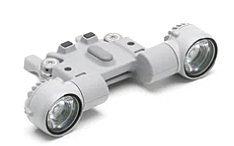
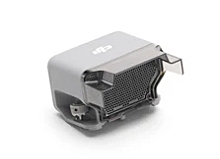
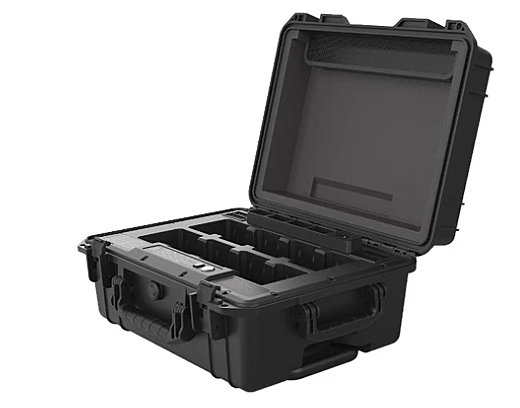
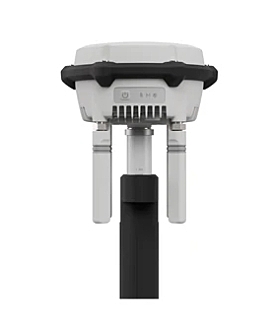
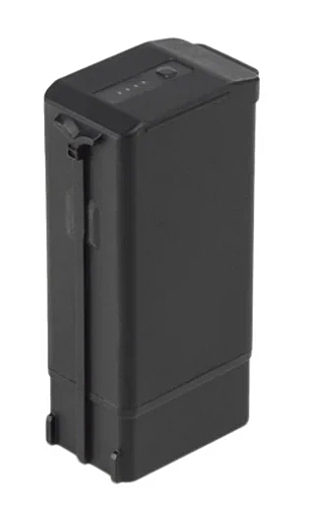
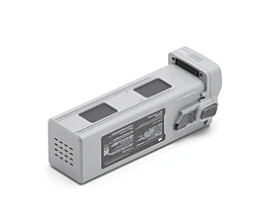
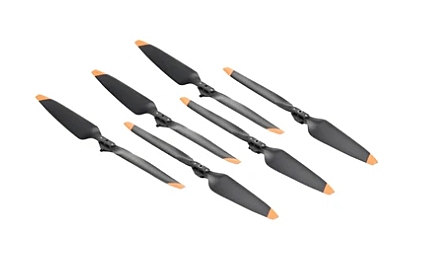
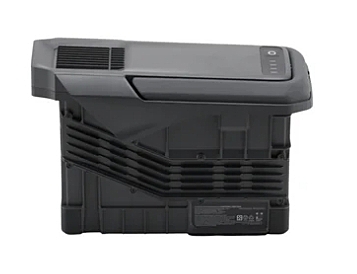
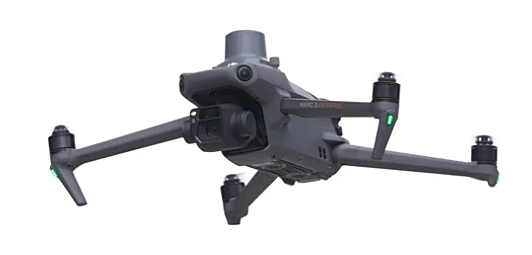
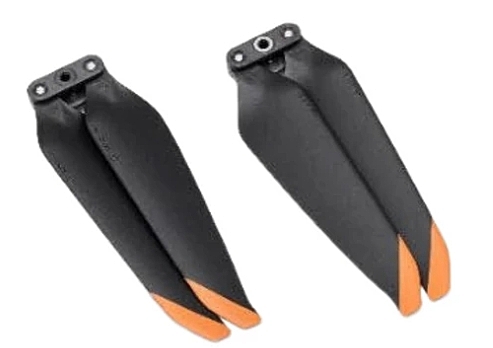
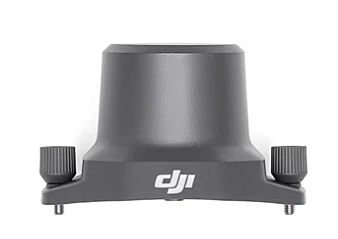
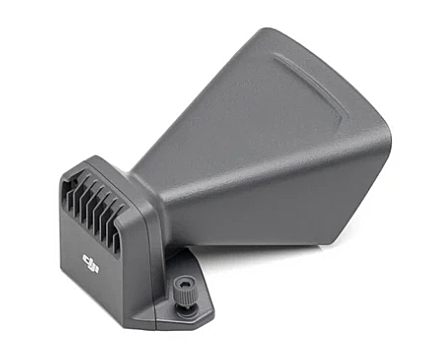
XAG P150 Max Components
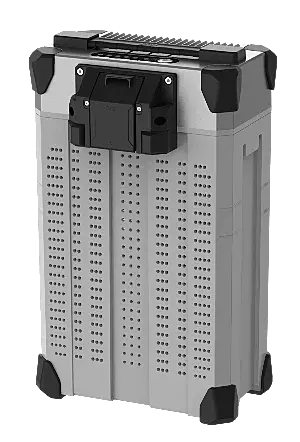
Talos T60x Components
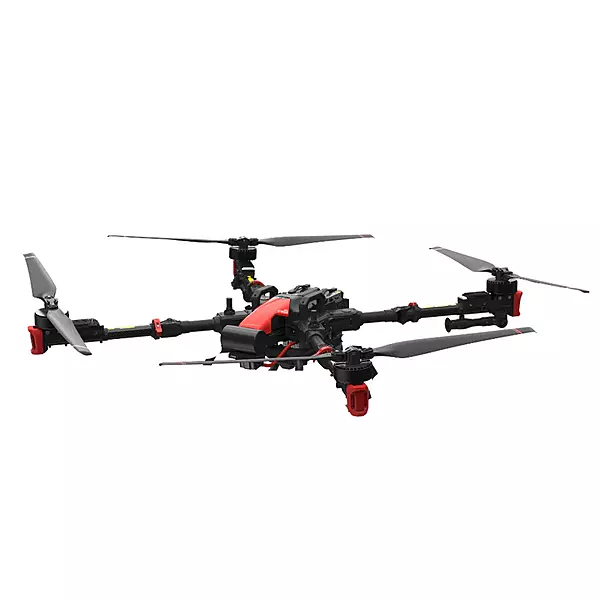
XAG 2024 P150 Components
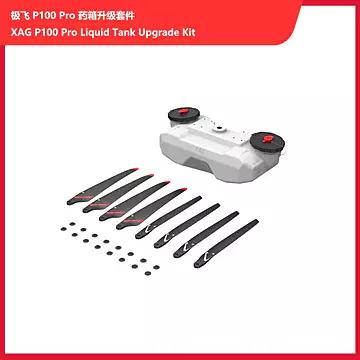
XAG P100 Pro Components
Enterprise Drone Parts
Why work with Key Aviation?
At Key Aviation, we understand that downtime during spray season is not an option. That is why we focus on more than just equipment sales. We provide hands-on training, responsive support, and dedicated service to help our customers operate confidently in the field.
With certified service technicians, multiple support locations, and direct experience with DJI, Talos, and XAG platforms, our team is committed to helping operators maximize uptime and performance throughout the season.
We continuously test new technologies, evaluate equipment in real-world conditions, and stay ahead of developments in the ag drone industry so our customers can invest with confidence.
From first flight to long-term support, Key Aviation is built to keep you flying.
- Partnerships With Leading Ag Drone Manufacturers
- Fast Troubleshooting Through Direct Flight Log Access
- Nationwide Partnerships & Support Network
- Built on Experience in Agriculture & Application
FREQUENTLY ASKED QUESTIONS
Yes. Key Aviation provides hands-on operational training designed to prepare customers for real-world spray drone operations. Training is a paid service and typically includes a full day covering equipment setup, flight operations, troubleshooting, software and hardware walkthroughs, special platform features, safety procedures, and common operational questions.
We also help customers plan complete operational setups including trailers, generators, charging systems, battery management, and field workflow recommendations to help ensure efficient day-to-day operations.
We typically recommend at least 15kW of running power per drone for reliable field charging and operations. If you plan on running additional battery chargers, transfer pumps, lighting, or support equipment, sizing up is strongly recommended.
A larger generator is often:
- More efficient under load
- Safer for sensitive charging equipment
- Better for future expansion
Planning ahead for additional drones or upgraded charging systems can save significant costs and downtime later on.
Need help selecting the right setup? Contact Key Aviation for generator recommendations tailored to your operation.
Key Aviation partners with manufacturers that continue investing in U.S. support infrastructure, regulatory compliance, and long-term operational reliability. Platforms including XAG, DJI, and Talos are designed to support evolving FAA and FCC requirements while providing dependable performance for commercial agricultural operations.
XAG platforms also utilize U.S.-based server infrastructure for the U.S. market, helping support data security, operational reliability, and continued compliance-focused development. In addition, XAG continues expanding its U.S. presence and support capabilities to better serve agricultural operators across the country.
Yes. Modern agricultural spray drones have evolved far beyond spot spraying or emergency applications. While they are extremely effective in wet field conditions where traditional equipment may cause compaction or delays, many operators now utilize spray drones as part of their full-season application strategy.
In-field production rates commonly range from approximately 55–75 acres per hour depending on terrain, application rate, refill workflow, and operational setup.
Spray drones can help:
- Reduce soil compaction
- Improve application timing
- Access difficult or wet field conditions
- Minimize crop damage from ground rigs
- Increase spray precision and coverage consistency
- Extend application windows during critical periods
As battery technology, charging systems, and platform efficiency continue improving, many operations are expanding drone usage from supplemental application into larger-scale full farm coverage throughout the growing season.
Operating an agricultural spray drone commercially requires several FAA and state-level requirements to ensure legal and safe operations.
1. FAA Part 107 Remote Pilot Certificate
This certification demonstrates your understanding of FAA regulations, airspace, weather, and safe drone operation procedures. It is required for commercial drone operations and involves passing an FAA-approved knowledge exam.
2. Aircraft Registration
Your drone must be registered with the FAA before operations begin. Registration provides the aircraft with an official identification number and is commonly required by insurance providers.
3. FAA Part 137 Agricultural Aircraft Operator Certificate
This authorization allows operators to legally dispense chemicals using a drone. Applicants must submit FAA Form 8710-3 and receive FAA approval before conducting spray operations.
4. FAA 44807 Exemption
Most agricultural spray drones exceed standard FAA weight limitations. The 44807 exemption allows approved operators to legally fly drones over 55 pounds under specific operating conditions and limitations.
5. State Pesticide Applicator Licensing
Most states require operators applying agricultural chemicals to hold a pesticide applicator license. Requirements vary by state and may include testing, certifications, or continuing education.
6. Insurance Coverage
Commercial spray operations should carry both general liability and chemical application insurance coverage to protect equipment, operations, and customers.
7. Additional Operational Requirements
Depending on the operation, additional requirements may include:
- Remote ID compliance
- Airspace authorizations
- Waivers for certain operations
- Operational record keeping
- State-specific regulations
Key Aviation helps guide customers through the compliance process, training requirements, registration steps, and operational setup needed to begin legal agricultural drone operations.
We understand downtime during spray season can be costly. That is why Key Aviation focuses on fast parts availability, responsive service support, and quick shipping options to help keep operators in the air.
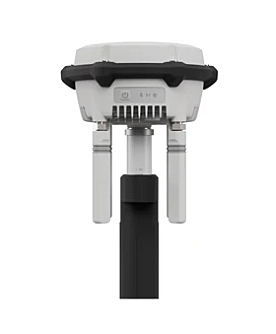
Many common parts and service items are stocked for rapid turnaround, and customers also have the option for local pickup or expedited shipping when timing matters most.
Our goal is simple: minimize downtime and get you back operating as quickly as possible.